Table of Contents
What Is Law? A Complete Beginner’s Guide to Understanding Law
What Is Law?
In Plain English
Imagine waking up tomorrow in a world without laws.
There are no traffic rules, no property records, no contracts, no courts, no regulations, and no institutions responsible for resolving disagreements.
A person who buys a house cannot be certain that someone else will not simply claim ownership. A business owner cannot know whether a contract will be respected. Employees cannot rely on rules protecting their rights. Citizens cannot predict what government authorities are allowed to do.
In such a world, every dispute would ultimately depend on personal power, wealth, social influence, or physical strength.
Law exists because human societies need something stronger than individual preferences.
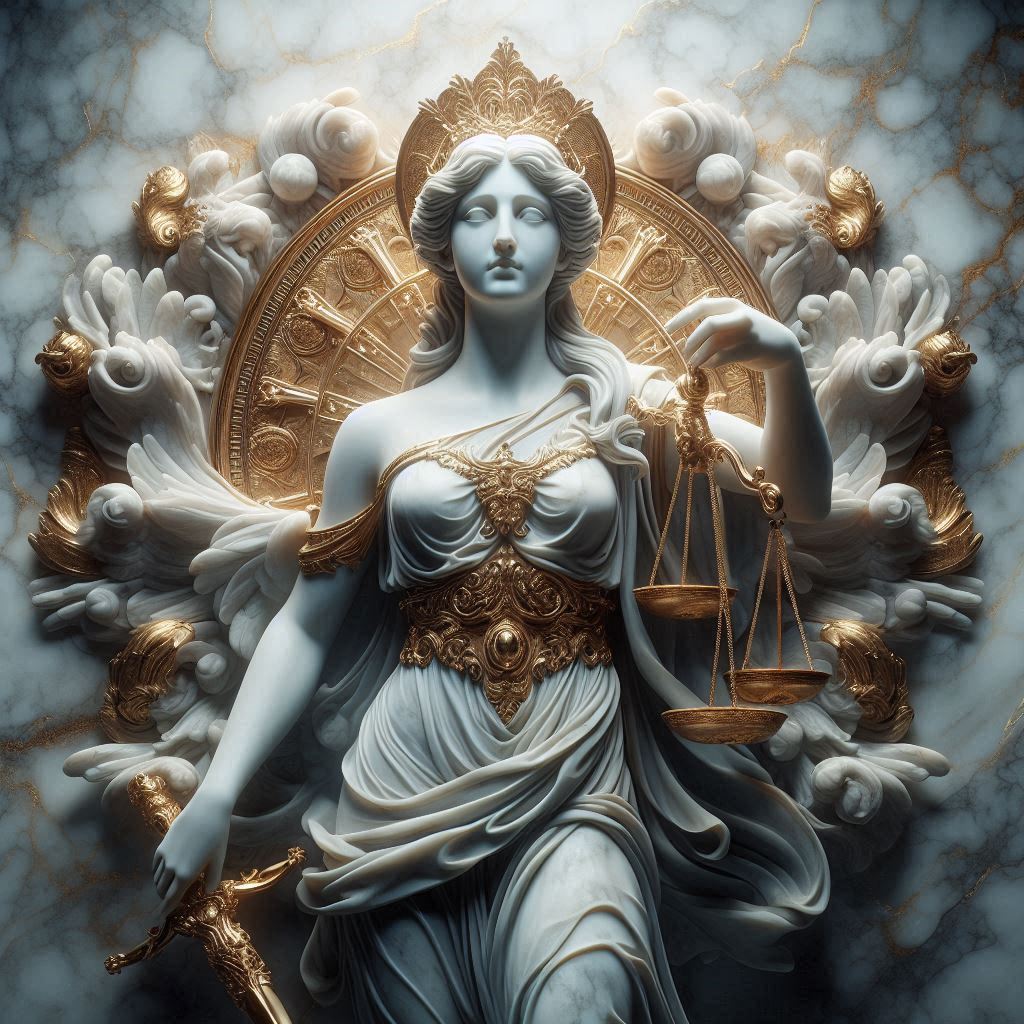
At its simplest, law is a system of rules created, recognised, and enforced by legitimate authority to regulate behaviour, protect rights, resolve disputes, and maintain social order.
Law provides the structure that allows millions of people with different interests, beliefs, and goals to live together peacefully.
It creates expectations:
- You can own property because legal systems recognise ownership.
- You can enter into agreements because courts enforce contracts.
- You can seek justice because legal institutions resolve disputes.
- You can challenge government decisions because constitutional principles limit power.
Understanding what law is is the foundation for understanding every other branch of legal study.
Whether someone later studies constitutional law, criminal law, contract law, business law, international law, or human rights law, all legal fields begin with the same fundamental question:
What is law, and why does society need it?
The Meaning of Law: Why Is It Difficult to Define?
The word “law” appears simple, but defining it precisely has challenged philosophers and legal scholars for centuries.
People often use the word in different ways.
A scientist may speak about the “laws of physics.” A person may refer to “the laws of nature.” A citizen may talk about “the law” as a rule created by government.
However, legal law has a specific meaning.
Legal scholars generally use the term law to describe rules that govern human behaviour and are connected with institutions that have authority to create, interpret, and enforce those rules.
The difficulty comes from the fact that law has several dimensions.
Law is:
- A social institution.
- A system of rules.
- A mechanism of authority.
- A method of dispute resolution.
- A reflection of social values.
- A tool for controlling government power.
Different schools of legal philosophy emphasize different aspects.
Different Perspectives on the Definition of Law
Natural Law Theory
Natural law thinkers argue that law is connected with fundamental principles of morality, reason, and justice.
According to this approach, a legal rule should not be considered fully legitimate merely because it was created by an authority. It should also reflect deeper principles of fairness and human dignity.
The famous idea behind natural law is that there may exist principles of justice that are higher than written legislation.
This perspective has influenced many discussions about human rights, constitutional protections, and unjust laws.
Legal Positivism
Legal positivists focus on the relationship between law and social authority.
From this perspective, a rule is law because it has been created according to recognised legal procedures.
A law does not become legally valid only because it is morally good. Its legal status depends on its source, such as legislation enacted by a competent parliament or a judicial decision recognised as binding.
Legal positivism helps explain how modern legal systems operate through institutions and procedures.
Modern Practical Understanding
Most contemporary legal systems combine elements of both approaches.
Modern societies recognise that law requires:
- Formal authority.
- Clear procedures.
- Institutional enforcement.
- Protection of fundamental values.
A practical definition is therefore:
Law is a system of binding rules established or recognised by legitimate public authority and enforced through legal institutions to regulate society, protect rights, and resolve disputes.
This definition contains four essential elements.
The Four Essential Elements of Law
1. Law Creates Rules
The first function of law is creating standards of behaviour.
Legal rules tell individuals and organisations what they may do, must do, or must not do.
Examples include:
- Criminal laws prohibiting violence and theft.
- Contract laws establishing obligations between parties.
- Property laws defining ownership rights.
- Constitutional laws limiting government authority.
Without legal rules, society would lack predictable standards.
2. Law Comes From Recognised Authority
Not every rule is a legal rule.
A personal opinion, social expectation, or moral belief does not automatically become law.
Legal systems identify specific sources of authority, including:
- Constitutions.
- Legislatures.
- Courts.
- Administrative agencies.
- International agreements.
The source of a rule gives it legal legitimacy.
3. Law Is Enforceable
One of the defining characteristics of law is enforcement.
A legal rule is not merely advice.
If someone violates criminal law, the state may impose penalties.
If someone breaches a contract, courts may provide remedies.
If a government agency acts unlawfully, courts may review and restrict that action.
Enforcement gives law practical power.
4. Law Serves Society
Law does not exist only to control behaviour.
Its deeper purpose is enabling cooperation.
Law allows people to:
- Trust agreements.
- Protect personal freedoms.
- Resolve disagreements peacefully.
- Participate in economic activity.
- Hold authorities accountable.
A society without law cannot achieve long-term stability.
Why Do We Need Law?
Human beings are social creatures. We cooperate constantly with people we do not personally know.
Modern cities, international trade, financial markets, digital communication, and democratic institutions all depend upon legal systems.
Law solves a fundamental human problem:
How can millions of individuals with different interests live together without constant conflict?
The answer is through common rules.
Visual: The Role of Law in Society
                 LAW

                  |
 ------------------------------------
 |                 |                |
Order          Protection        Justice
 |                 |                |
Stability      Rights          Fair Solutions

                  |
          Social Cooperation
The Main Purposes of Law
Law performs several interconnected functions.
1. Maintaining Social Order
One of the oldest purposes of law is preventing chaos.
Criminal law establishes boundaries between acceptable and unacceptable behaviour.
Traffic regulations create safety on roads.
Public regulations protect communities from dangerous activities.
By establishing predictable standards, law reduces uncertainty.
A society does not need every person to agree on everything. It needs agreed procedures for handling disagreement.
2. Protecting Rights and Freedoms
Modern legal systems recognise that individuals require protection from both private and public abuses of power.
Law protects:
- Personal liberty.
- Property rights.
- Freedom of expression.
- Equality before the law.
- Privacy.
- Due process.
Rights become meaningful only when legal institutions can protect and enforce them.
3. Resolving Disputes Peacefully
Conflict is unavoidable.
People disagree over:
- Money.
- Property.
- Contracts.
- Family matters.
- Business relationships.
- Government decisions.
The purpose of courts is not to eliminate disagreement but to provide peaceful methods for resolving it.
Instead of disputes being settled through force, legal systems provide procedures based on evidence, argument, and reason.
The Relationship Between Law and Justice
One of the oldest questions in legal philosophy is whether law and justice are the same thing.
The answer is complex.
Law aims to create justice, but legal rules and justice are not always identical.
A legal system may contain rules that are later considered unfair or outdated. Throughout history, many important reforms have occurred because societies challenged existing laws and demanded greater fairness.
Examples include historical struggles concerning:
- Equality before the law.
- Voting rights.
- Workers’ protections.
- Protection of minorities.
- Human rights.
This demonstrates an important principle:
Law is a human creation, and because humans are imperfect, legal systems must continuously develop.
Justice represents an ideal of fairness and moral legitimacy. Law represents the institutional framework through which societies attempt to achieve that ideal.
A useful way to understand the relationship is:
              JUSTICE
                 ▲
                 |
        Guides and Influences
                 |
                 ▼
                LAW
                 |
                 ▼
        Creates Enforceable Rules
Law provides the structure; justice provides the aspiration.
A legal system without justice may become merely a mechanism of control. However, justice without law may remain only an ideal without practical protection.
The challenge of every legal system is to transform principles of fairness into workable rules.
Law, Morality, and Social Customs
Law is not the only system that regulates human behaviour.
Human societies are also influenced by morality, religion, culture, and social traditions.
However, legal rules differ from these other forms of social regulation.
Law
Law consists of formally recognised rules enforced by legal institutions.
Example:
A person who commits fraud may face criminal prosecution or civil liability.
Morality
Morality concerns ideas about right and wrong based on ethical principles.
Example:
A person may believe that helping others is morally important even when there is no legal obligation to do so.
Social Customs
Customs are accepted practices within communities.
Example:
Certain traditions regarding greetings, ceremonies, or social behaviour may be widely followed without legal enforcement.
Visual Comparison: Law, Morality, and Customs
| Feature | Law | Morality | Social Customs |
|---|---|---|---|
| Source | Legal authorities | Ethical beliefs | Community practices |
| Enforcement | Courts and government institutions | Personal conscience and social judgment | Social acceptance |
| Consequences | Legal penalties or remedies | Approval or disapproval | Inclusion or exclusion |
| Example | Criminal prohibition of theft | Belief that honesty is valuable | Cultural traditions |
Although these systems overlap, they serve different purposes.
A society needs all three. Law provides minimum standards necessary for peaceful coexistence, while morality and customs influence broader human behaviour.
How Legal Systems Create and Apply Law
A legal system is the complete structure through which law is created, interpreted, and enforced.
It includes:
- Institutions.
- Legal rules.
- Courts.
- Government authorities.
- Legal professionals.
- Procedures.
A functioning legal system answers several important questions:
- Who has the authority to create laws?
- How are laws interpreted?
- How are disputes resolved?
- How are legal decisions enforced?
The Main Institutions of a Legal System
Legislatures
Legislatures create written laws through democratic processes.
Examples include:
- Parliaments.
- Congresses.
- Assemblies.
Legislation reflects society’s decisions about what behaviour should be required, permitted, or prohibited.
Courts
Courts interpret and apply law.
Judges determine:
- How legal rules should be understood.
- Whether evidence supports a claim.
- Whether government actions comply with legal principles.
In common law systems, judicial decisions may become important sources of law through precedent.
Administrative Institutions
Modern governments create specialised agencies responsible for regulating complex areas.
Examples include authorities dealing with:
- Financial markets.
- Environmental protection.
- Healthcare.
- Communications.
- Consumer protection.
Administrative law ensures that these institutions exercise their powers legally.
Sources of Law
Every legal system recognises certain sources from which legal rules originate.
Understanding sources of law is essential because it explains where legal authority comes from.
1. Constitutions
A constitution is often the highest form of domestic law.
It establishes:
- The structure of government.
- Distribution of powers.
- Fundamental rights.
- Limits on governmental authority.
In constitutional democracies, all other laws must generally comply with constitutional principles.
2. Legislation
Legislation consists of laws enacted by legislative bodies.
Examples include:
- Criminal codes.
- Civil laws.
- Commercial regulations.
- Employment laws.
Legislation is one of the primary sources of law in modern states.
3. Judicial Decisions
Courts contribute to legal development by interpreting existing rules.
In common law jurisdictions, certain judicial decisions create binding precedent.
This means later courts may follow earlier decisions when similar legal questions arise.
4. Regulations
Governments often delegate authority to administrative agencies to create detailed rules.
Regulations allow legal systems to respond to technical and specialised issues.
For example:
A legislature may create a general environmental protection law, while an environmental agency creates detailed standards for implementation.
5. Customary Law
Some legal systems recognise customs that have developed through long-standing practice.
Customary law has historically played an important role in many societies.
6. International Law
International law governs relationships between states and increasingly influences areas such as:
- Human rights.
- Trade.
- Environmental protection.
- Cybersecurity.
As societies become more interconnected, international legal rules continue to grow in importance.
Major Legal Systems Around the World
Although every country has unique laws, many legal systems belong to broader legal traditions.
Common Law Systems
Common law developed historically in England and later influenced many countries.
A defining feature is the importance of judicial decisions and precedent.
Courts play a significant role in developing legal principles through interpretation.
Examples include legal systems influenced by English common law traditions.
Civil Law Systems
Civil law systems developed primarily from Roman legal traditions.
They generally place greater emphasis on comprehensive written legal codes.
Judges apply and interpret legislation, while legal codes provide the primary framework.
Many countries in continental Europe and other regions follow civil law traditions.
Religious and Customary Legal Systems
Some societies incorporate religious principles or customary practices into their legal structures.
These systems demonstrate that law reflects the history, culture, and values of different communities.
Visual: Evolution of Legal Systems
Ancient Legal Codes
          ↓
Roman Legal Tradition
          ↓
Common Law and Civil Law Development
          ↓
Constitutional Democracies
          ↓
Digital and Global Legal Regulation
The Rule of Law: Why Everyone Must Be Subject to Law
One of the most important principles in modern legal systems is the Rule of Law.
The Rule of Law means that law governs society rather than the personal wishes of individuals or authorities.
It requires that:
- Laws are publicly known.
- Laws apply equally.
- Legal procedures are fair.
- Government power is limited.
- Courts can review unlawful actions.
The principle can be summarised simply:
No person is above the law.
This includes government officials.
A democracy is not defined only by elections. It also requires legal limits on power.
Without the Rule of Law, governments could create arbitrary rules, punish opponents, or exercise authority without accountability.
Visual: The Structure of the Rule of Law
              RULE OF LAW

                   ▲

 -----------------------------------
 |                |                |
Equality     Accountability     Rights
Before Law      of Power       Protection

                   |
                   ▼

        Limited Government Authority
Why Law Must Continue to Change
Some people imagine law as a fixed collection of ancient rules.
In reality, law is constantly evolving.
Society changes, and legal systems must respond.
New technologies create new legal questions.
For example:
Artificial Intelligence
AI systems raise questions about:
- Responsibility for automated decisions.
- Copyright ownership.
- Algorithmic discrimination.
- Data protection.
Digital Privacy
Modern societies collect enormous amounts of personal information.
Law must determine:
- Who controls personal data?
- What protections individuals have?
- How organisations may use information.
Cybersecurity
Traditional legal concepts must adapt to crimes committed through digital networks.
Biotechnology
Advances in medicine and genetics create questions about:
- Human dignity.
- Consent.
- Ownership of biological information.
Law survives because it adapts.
A legal system that cannot respond to social change eventually loses effectiveness.
Frequently Asked Questions About Law
What is law in simple words?
Law is a system of rules created and enforced by recognised authorities to organise society, protect rights, and resolve disputes.
Why is law important?
Law creates stability and predictability. It allows individuals, businesses, and governments to interact according to known rules.
What is the purpose of law?
The purpose of law is to maintain order, protect rights, provide justice, regulate behaviour, and limit abuses of power.
Who creates laws?
Depending on the legal system, laws may be created by:
- Constitutions.
- Legislatures.
- Courts.
- Administrative agencies.
- International agreements.
Is every law fair?
Not necessarily.
Legal systems attempt to achieve justice, but history shows that some laws have later been recognised as unfair and changed through reform.
What is the difference between law and justice?
Law is the formal system of rules enforced by institutions. Justice is the broader idea of fairness and moral correctness.
Can governments break the law?
In systems based on the Rule of Law, governments are also legally limited and may be challenged through courts and constitutional procedures.
Why does law change?
Law changes because societies change. New technologies, economic developments, and social values require new legal solutions.
Key Takeaways
- Law is a system of enforceable rules that regulates human behaviour and social relationships.
- The definition of law includes authority, rules, enforcement, and social purpose.
- Law protects rights, resolves disputes, maintains order, and limits governmental power.
- Law and justice are connected but not identical concepts.
- Legal systems rely on recognised sources such as constitutions, legislation, judicial decisions, regulations, and customs.
- Different countries use different legal traditions, including common law and civil law systems.
- The Rule of Law ensures that individuals and governments are equally subject to legal principles.
- Law constantly evolves to address new challenges, including artificial intelligence, cybersecurity, and biotechnology.
Continue Learning: Foundations of Law
Understanding what law is provides the foundation for studying every other legal topic.
The next logical steps are:
- Foundations of Law
The broader principles behind legal systems. - Sources of Law
How legal rules are created and where legal authority comes from. - Rule of Law
Why legal limits on power are essential. - Legal Systems Around the World
How different societies organise justice. - Legal Reasoning and Interpretation
How lawyers and judges analyse legal problems.
Final Reflection
Law is more than a collection of rules written in books.
It is one of humanity’s greatest systems of cooperation.
Every contract signed, every business created, every property transferred, every dispute peacefully resolved, and every right protected depends upon the existence of law.
At its deepest level, law represents society’s attempt to transform conflict into cooperation and power into responsibility.
Understanding law means understanding the structure that allows human communities to exist, develop, and pursue justice.

0 Comments